
Product Availability & Shipping Delay Information. Learn More


Comprehensive Guide to Deer Winter Feed: Ensuring Health and SurvivalComprehensive Guide to Deer Winter Feed: Ensuring Health and Survival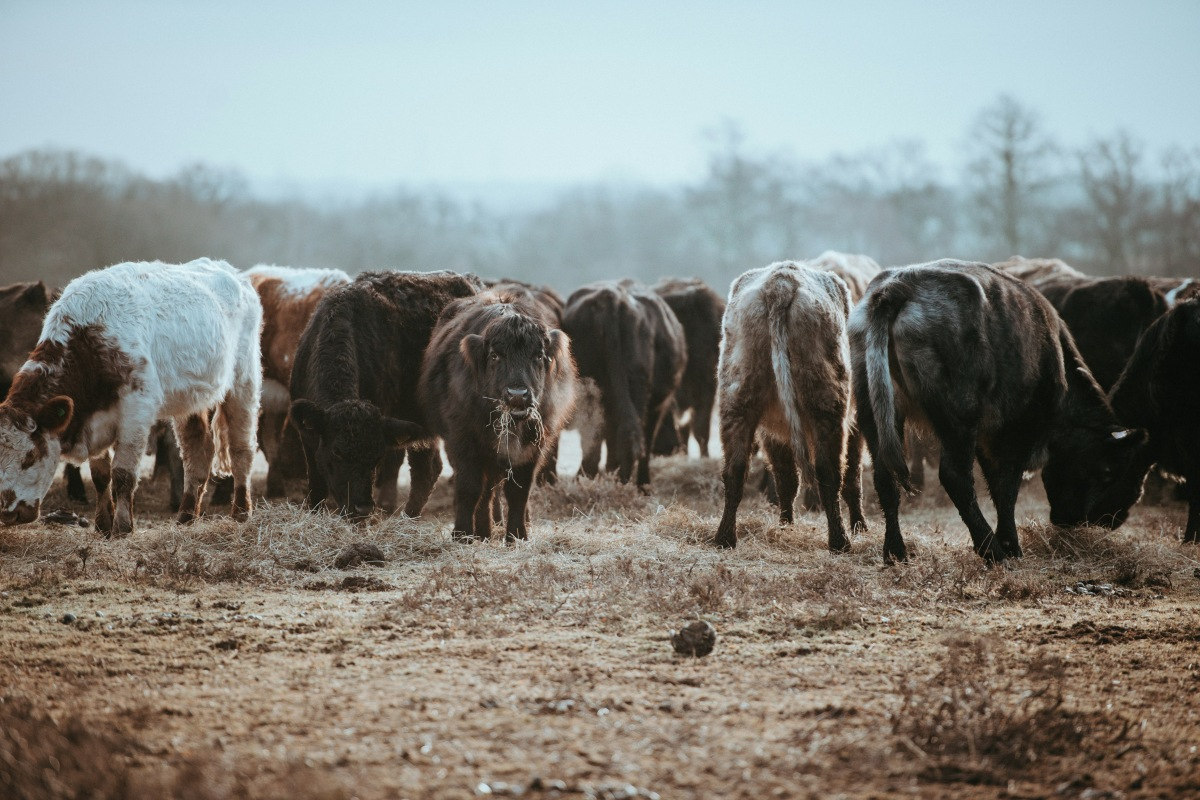 As winter approaches, the availability of natural food sources for deer dwindles, making deer winter feed essential for their survival and health. This guide will delve into the various types of deer winter feed and the best practices for feeding deer during the colder months, ensuring they receive the proper nutrition to thrive. Understanding Deer Nutritional Needs in WinterDeer face significant challenges during winter as natural food sources become scarce. To cope with the harsh conditions, deer require a diet that can help them maintain their body temperature and energy levels. Deer winter feed should be rich in energy, easily digestible, and packed with essential nutrients to support their health.
Nutritional RequirementsDuring winter, deer require a diet that is rich in energy, proteins, and essential minerals to help them cope with the cold and scarcity of food. Their diet must sufficiently support body heat production and fat reserve utilization without depleting essential body resources. Key Components of an Effective Deer Winter FeedSelecting the right type of feed is critical in ensuring the deer receive adequate nutrition: Commercial Deer FeedProducts like the Whitetail Institute’s range are scientifically formulated to meet the deer’s dietary needs, providing a balanced blend of nutrients essential during the colder months. Deer Blocks and PelletsItems such as the Purina Premium Deer Block offer a practical solution by providing deer with continuous access to essential nutrients in a form that is easy to consume and digest. Natural Browse EnhancementSupplementing the deer's diet with natural forage options like planting winter-hardy plants ensures they receive a more natural diet and reduces dependency on processed feeds. Benefits of Proper Winter FeedingProper winter feeding can significantly impact deer health and survival rates:
Implementing Effective Deer Winter Feeding StrategiesStrategic Feeding LocationsChoose feeding locations that are safe and away from potential human-deer conflict zones, such as busy roads or residential areas. Consistency in FeedingOnce you begin a feeding program, it is crucial to maintain consistency through the winter months to prevent the deer from reverting to inadequate natural sources. Monitoring and AdjustmentsRegular monitoring of the deer's health and the effectiveness of the feeding stations will allow for timely adjustments in feed type and quantity. Challenges and Ethical ConsiderationsWhile winter feeding is beneficial, it comes with responsibilities
Community Involvement and EducationInvolving the community through educational programs can help garner support for responsible wildlife management practices. Workshops and informational sessions can teach community members about the importance of supporting local wildlife in a sustainable manner. Providing deer with the right winter feed is more than a benevolent act; it's a critical intervention that supports ecological balance and wildlife health. By employing thoughtful and informed feeding practices, we can ensure that deer populations not only survive the winter months but thrive into the spring. Are you interested in contributing to wildlife conservation efforts in your area this winter? Visit Paris Farmers Union for a selection of high-quality deer winter feed products and expert guidance on setting up a feeding program that is safe, effective, and sustainable. Together, we can make a positive impact on the health and safety of our local deer populations. |