
Product Availability & Shipping Delay Information. Learn More


Animal Feed: Strategies for Segregating Cattle from Other Animal FeedersAnimal Feed: Strategies for Segregating Cattle from Other Animal Feeders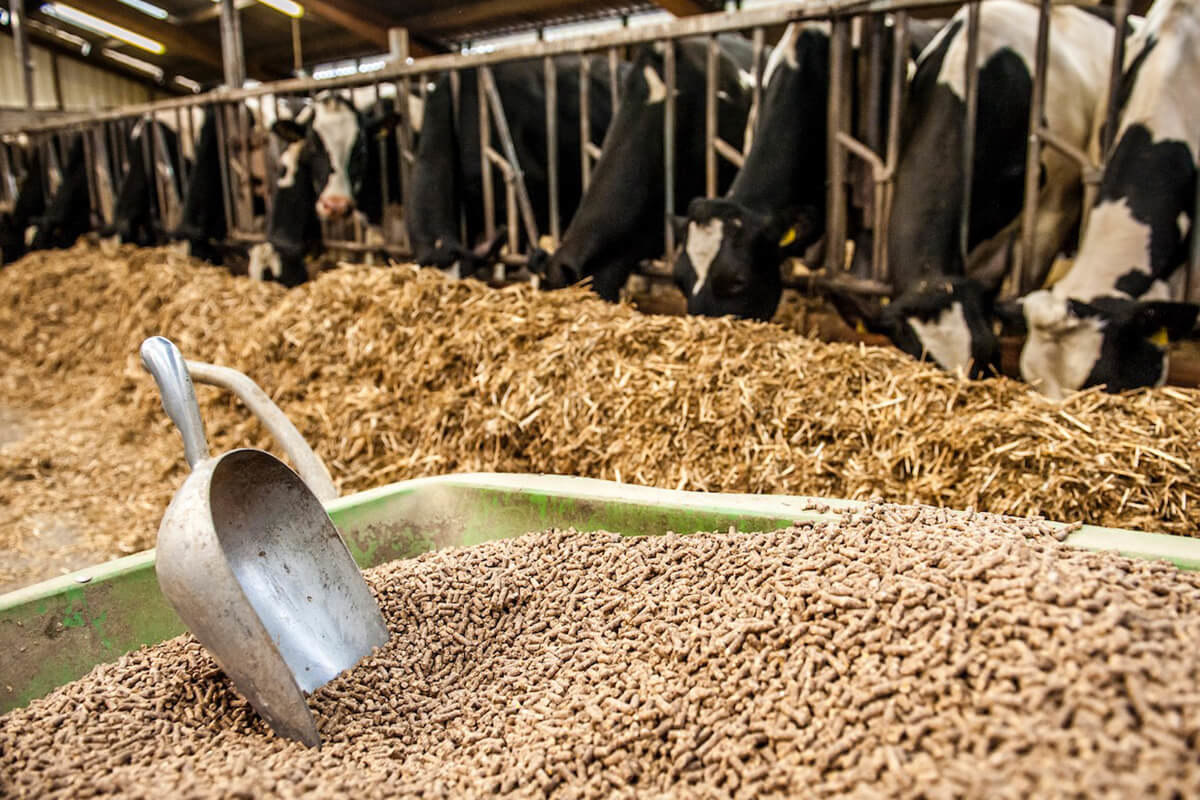 Effectively managing of animal feed in a mixed-species farm requires meticulous strategies to ensure that each animal receives the right nutrition without interference from others. This guide delves deeper into sophisticated methods for keeping cattle away from feeders designated for other livestock, such as sheep, goats, and poultry. By implementing these strategies, farmers can enhance the health and productivity of their herds and flocks, ensuring that nutritional needs are met accurately and efficiently. Understanding the Importance of Species-Specific DietsMaintaining species-specific diets is crucial for the health and productivity of farm animals. Each type of livestock requires a unique set of nutrients to thrive, which can be compromised if animals gain access to animal feed not intended for them. For instance, cattle consuming feed formulated for chickens could lead to nutritional imbalances or health issues such as toxicity, while also causing economic losses due to wasted feed. Nutritional Risks and Management
Physical Barriers and Controlled AccessCreating physical separations is a fundamental approach to controlling cattle movements and preventing them from accessing feed intended for other animals. Custom Fencing Solutions
Advanced Feeder Design and Placement
Time-based Feeding Strategies and SupervisionOrganizing feeding times and supervising feed access are critical in managing cross-species feeding effectively. Staggered Feeding Schedules
Direct Supervision
Behavioral Training TechniquesTraining livestock to respect feeding boundaries through conditioning can significantly enhance farm management efficiency. Conditioning and Habituation
Visual and Auditory Cues
Technological Solutions and InnovationsLeveraging technology can provide sophisticated solutions to manage feeding across different livestock species effectively. RFID Controlled Feeding Stations
Regular Monitoring and Continuous AdaptationOngoing assessment and adaptation of strategies are essential for sustained success in managing a diverse livestock farm. Feedback and Adjustments
Implementing robust and innovative strategies to segregate cattle from other animal feeders is vital for the success of mixed-species farming. These strategies not only prevent nutritional cross-contamination but also enhance the overall operational efficiency of the farm. By understanding and addressing the unique dietary needs of different livestock, farmers can ensure healthier animals and more sustainable farming practices. Paris Farmers Union offers a wealth of resources and top-quality feeds tailored to meet the specific needs of your diverse livestock. Whether you're looking to optimize cattle feeding strategies or improve overall farm efficiency, we have the expertise and products to support your goals. Visit us today at Paris Farmers Union for more information and to explore our wide range of animal feed options. Enhance your farm management practices with our expert guidance and high-quality supplies. Take the first step towards a more productive and sustainable farming operation with Paris Farmers Union. |