
Product Availability & Shipping Delay Information. Learn More


Comprehensive Insights into Non-GMO Cattle Feed: Elevating Farming PracticesComprehensive Insights into Non-GMO Cattle Feed: Elevating Farming Practices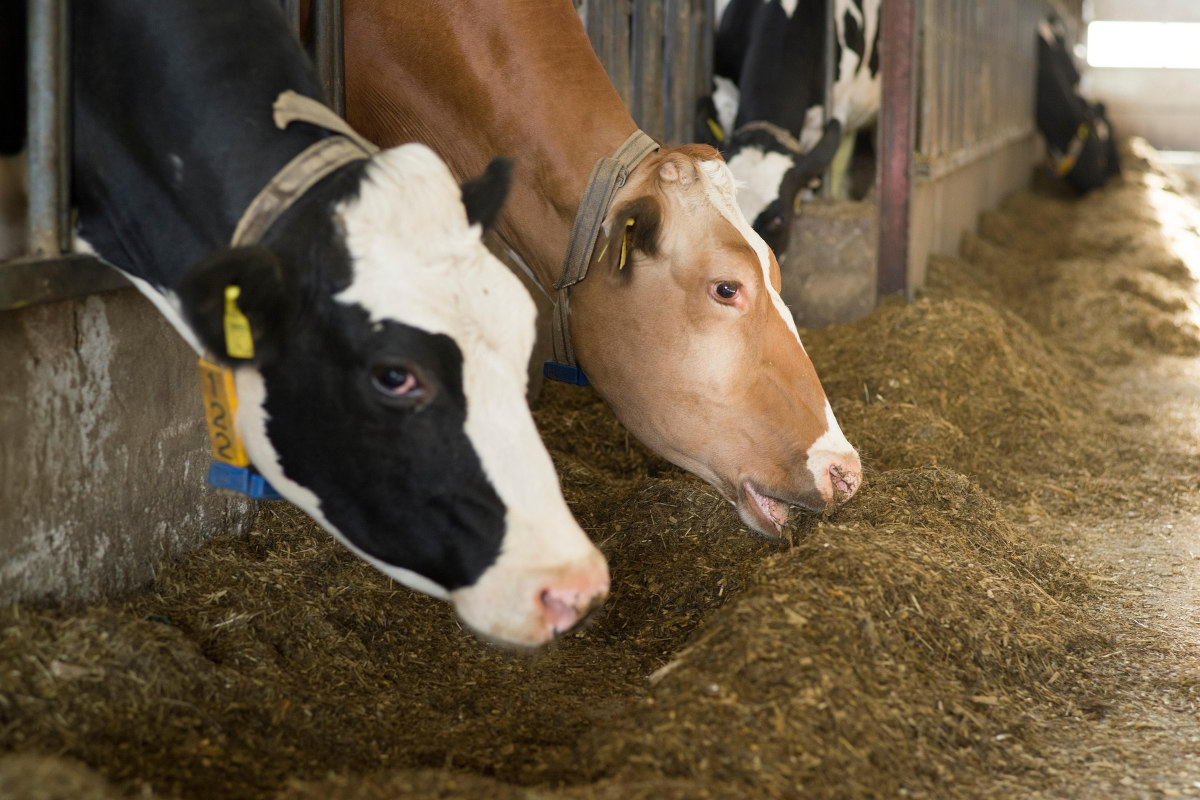 As global consumer consciousness grows, the agricultural sector is seeing a significant shift towards more sustainable practices, with non-GMO cattle feed playing a pivotal role. This in-depth blog explores the multifaceted benefits and operational considerations of using non-GMO feed in modern cattle farming. We delve into how non-GMO feed not only meets consumer demands but also supports healthier livestock and fosters environmental sustainability, offering a holistic approach to responsible farming. Understanding the Importance of Non-GMO Feed in AgricultureNon-GMO cattle feed, made from crops that have not been genetically modified, is becoming increasingly popular among farmers who prioritize natural growth and sustainability. This feed type is essential for farmers looking to avoid potential risks associated with GMOs such as the loss of biodiversity and the dependence on chemical inputs like herbicides and pesticides. By choosing non-GMO feed, farmers are opting for a path that promotes environmental integrity and supports the natural dietary needs of their cattle. Exploring Non-GMO Feed: Benefits for Cattle and EnvironmentWhy Non-GMO?
Environmental Benefits and Sustainable FarmingThe cultivation of non-GMO crops encourages the use of farming techniques that are less reliant on synthetic chemicals, which is beneficial for wildlife and helps maintain healthy soil and clean water sources. Furthermore, non-GMO farming helps preserve agricultural diversity by supporting a variety of plant species, which can be crucial for adapting to changing environmental conditions and for maintaining ecosystem balance. Economic Impacts and Consumer DemandThe market for non-GMO products is rapidly expanding as consumers increasingly seek out food that is perceived as healthier and more ethically produced. This shift presents a lucrative opportunity for farmers who can often charge a premium for non-GMO beef and dairy products. While the production costs for non-GMO feed are generally higher, the potential market price and consumer preference for these products can lead to greater profitability and market differentiation. Challenges of Non-GMO Feed ImplementationThe transition to non-GMO feed can present several challenges, including higher costs of production due to the premium prices of non-GMO seeds and potentially lower yields. Additionally, farmers must navigate the complexities of ensuring that their feed supply remains uncontaminated by GMOs, which may require new approaches to crop rotation, field management, and storage. Steps for Transitioning to Non-GMO FeedFarmers interested in transitioning should start by researching suppliers and testing small quantities of non-GMO feed to assess its impacts on livestock health and farm operations. Building relationships with certified non-GMO seed suppliers and learning from other non-GMO practitioners can provide valuable insights and support throughout the transition. Certification Processes and MarketingTo capitalize on consumer demand, obtaining non-GMO certification can be crucial. This process involves rigorous compliance with standards that prevent contamination and ensure integrity, providing a marketing edge. Effective communication and transparency with consumers about the benefits of non-GMO cattle products are essential for tapping into the market effectively. Adopting non-GMO cattle feed is more than a farming practice; it's a commitment to sustainable, ethical agriculture that resonates with modern consumer values. It offers a pathway not only towards healthier livestock and ecosystems but also towards a more sustainable economic model in the farming industry. If you are a farmer looking to transition to non-GMO cattle feed, or if you're interested in learning more about how non-GMO practices can benefit your farming operation, visit Paris Farmers Union. Our extensive resources, expert advice, and quality non-GMO feed products can help you achieve your sustainable farming goals. Join us at Paris Farmers Union and take a significant step towards a more sustainable and profitable future in agriculture. |