
Product Availability & Shipping Delay Information. Learn More


What to Feed Deer in Summer: A Complete Guide to Herd Health and GrowthWhat to Feed Deer in Summer: A Complete Guide to Herd Health and Growth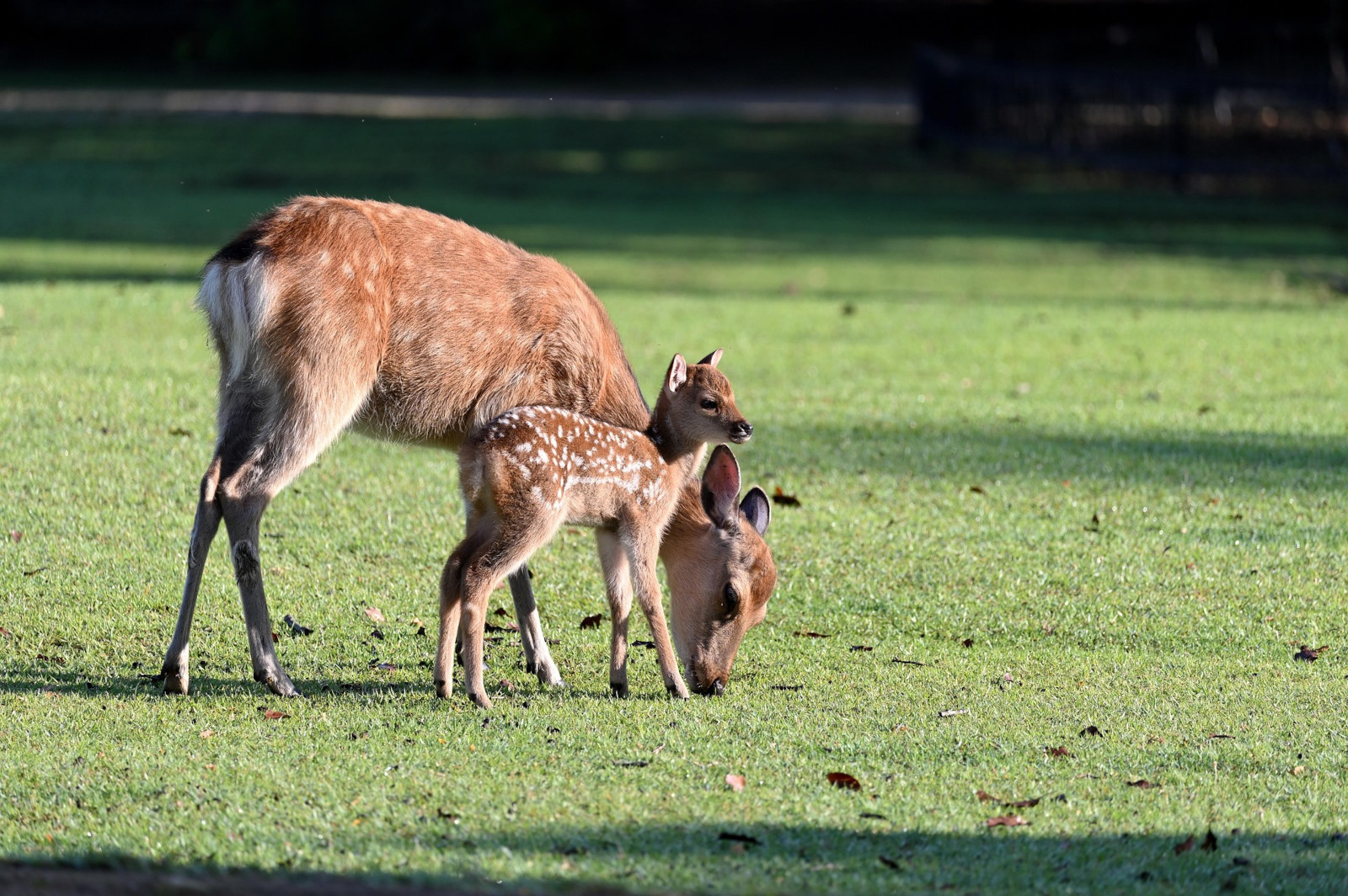 IntroductionAs temperatures rise and natural greenery flourishes, many landowners and wildlife enthusiasts find themselves asking: what to feed deer in summer to ensure a healthy, thriving herd? While summer provides deer with abundant forage options, it's also a critical time for supporting their growth, antler development, reproduction, and overall health. Proper supplemental feeding during this season can make a significant difference in the vitality of your local deer population. In this comprehensive guide, we'll explore the dietary needs of deer during summer, the best types of feed and minerals to offer, practical feeding strategies, and trusted products you can find at Paris Farmers Union to help nourish deer all season long. Why Summer Feeding MattersMany people associate supplemental feeding with the winter months when natural food is scarce. However, summer feeding is just as important—if not more so. During summer, deer face major physical demands:
Even with access to lush greenery, wild forage alone often doesn’t provide enough concentrated nutrition to support these biological needs at optimal levels. That’s where supplemental summer feeding steps in to help deer thrive. Key Nutritional Needs for Deer in SummerWhen deciding what to feed deer in summer, it's important to focus on the right balance of nutrients:
Supplemental feeds and minerals provide these nutrients in highly digestible forms, ensuring deer can meet their physical demands even during dry spells when natural forage quality declines. Types of Supplemental Feed to UseThere are several effective options available when determining what to feed deer in summer: 1. Protein Pellets and FeedsHigh-protein pelleted feeds are specially formulated to meet the needs of growing and lactating deer. These feeds typically include a balance of essential amino acids, minerals, and vitamins. 2. Mineral Blocks and Loose MineralsMineral blocks and loose minerals are easy ways to supplement a deer's natural diet. Look for blocks that contain key nutrients like calcium, phosphorus, magnesium, and trace minerals (zinc, copper, selenium). 3. Attractant FeedsFeeds like apple or acorn-flavored attractants entice deer to frequent feeding areas while delivering necessary nutrients. They also help support deer visibility for landowners interested in monitoring herd health. Recommended Products for Summer FeedingAt Paris Farmers Union, we offer a variety of high-quality products designed specifically to address what to feed deer in summer:
These products provide excellent choices depending on your goals, whether it's increasing antler size, supporting doe nutrition, or simply maintaining a healthy, visible herd. Tips for Setting Up Feeding SitesChoosing the right location and setup for summer feeding can enhance your results significantly. Location Matters
Use Multiple Sites Spread out your feeding areas to reduce competition among deer and ensure that bucks, does, and fawns all have access to supplements. Protect Your Feed Use covered feeders to protect feed from rain, spoilage, and pests like raccoons. Refresh Regularly Replenish mineral licks and check feeding stations often to ensure freshness and hygiene. Feeding Strategy: Complement, Don’t ReplaceIt’s important to remember that supplemental feeding during summer is meant to complement, not replace, natural forage. Deer are natural browsers and need a varied diet including:
Supplemental feeds should provide targeted nutrition without disrupting natural behaviors. Always ensure that deer still have access to their wild food sources. Summer Feeding Challenges and How to Overcome ThemWhile supplemental feeding is highly beneficial, it comes with a few challenges:
By being mindful of these challenges, you can maximize the positive effects of your summer feeding program. Frequently Asked Questions (FAQ)Q: How often should I refresh mineral sites? Q: Can I feed corn to deer in summer? Q: Should I continue feeding during heavy rain periods? Q: Is it legal to feed deer in my state? Understanding what to feed deer in summer is crucial for maintaining a healthy, thriving herd. High-protein pellets, mineral supplements, and nutrient-packed attractants provide the essential building blocks for antler growth, fawn development, and overall herd resilience. With smart feeding strategies and the right products, you can make a positive, lasting impact on the deer population in your area. Ready to give your deer herd the best nutritional boost this summer? |